
New German bishops’ president to present Synodal Conference to Rome
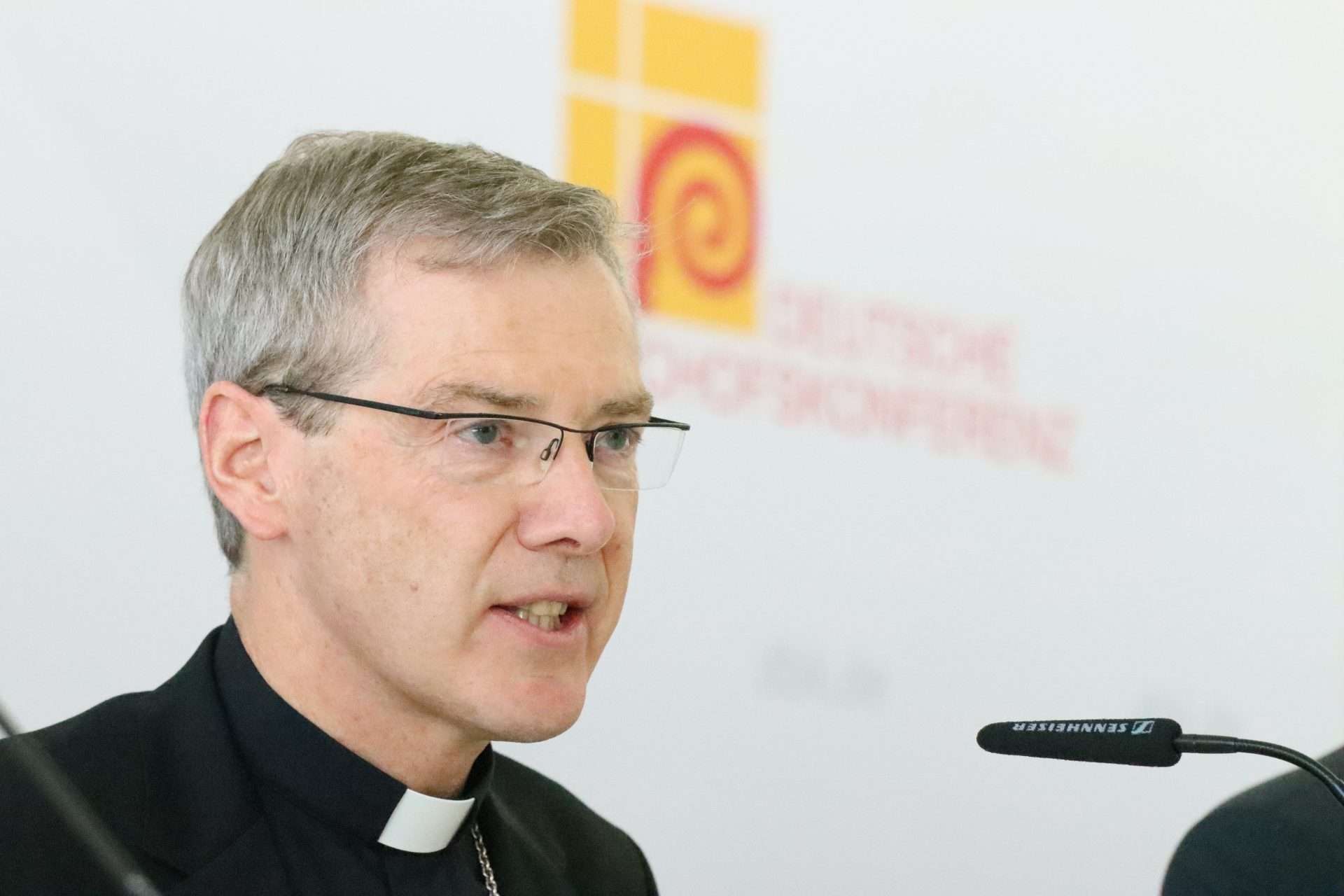
‘With the Synodal Conference a format has been developed that takes the concerns of the Global Synod seriously and implements them in our culture, including the impulses for more transparency, accountability and evaluation,’ said Bishop Heiner Wilmer.
Deutsche Bischofskonferenz / Marko Orlovic
Bishop Heiner Wilmer said the German Church would not follow its own path but continue to seek unity with the Universal Church.
The German bishops’ conference approved the statutes for the Synodal Conference of bishops and lay representatives at its winter plenary last week.
The statutes, which emerged from the Synodal Way reform initiative, had been accepted by the Central Committee of Lay Catholics in November.
“In addition to the opportunities and challenges that are being seen in connection with the mandate and composition of the Synodal Conference, it was also stated that with the Synodal Conference a format has been developed that takes the concerns of the Global Synod seriously and implements them in our culture, including the impulses for more transparency, accountability and evaluation,” said the conference’s newly-elected president Bishop Heiner Wilmer of Hildesheim.
He continued: “In a next step, I will apply for recognitio for the statutes of the Synodal Conference in Rome.”
Wilmer said the German Church would not follow its own path but continue to seek unity with the Universal Church. Wilmer’s experience and working knowledge of Rome are widely seen as expedient for explaining and promoting the reforms within the German Church.
Following on from a request made by the Synodal Assembly in 2023 that the German bishops should petition the Holy See that qualified lay persons should be permitted to preach at Mass, the bishops also discussed and agreed a document on the “Proclamation of the Gospel through Commissioned Baptised and Confirmed Persons in Word and Sacrament”.
“We now want to seek approval for this order in Rome,” said Willmer. “We have agreed that I will take this with me on my next visit to Rome and explain and promote it once again in discussions there.”
Referring to the roots of the Synodal Way in Germany in the response to the abuse crisis, Wilmer emphasised: “A special word goes out to those who have experienced sexual violence in the Church. Their voices carry weight. Every step of the process gains depth and truth through their testimony.
“Listening and reliability characterise this path. This creates a space where dignity is protected and trust can grow anew. This path unites us.”
The subject regularly featured in bishops’ meetings under his predecessors and Wilmer presented a detailed status report, concluding with an appeal to the federal government to continue to make funds available for reparations for victims and survivors.
Wilmer reiterated warnings about the rise of ethnic nationalism and the right-wing populist Alternative für Deutschland: “We appeal to the people in our country to take a close look and not to be seduced by the ostensibly attractive noises of the AfD. From Würzburg I say clearly: Resist the beginnings! … Let’s protect our democracy!”
Alongside Wilmer’s election, the conference confirmed the posts of its secretary general Dr Beate Gilles and its chief press officer Dr Matthias Kopp.
‘Mediator’ elected to succeed Bätzing as German bishops’ president


No comments:
Post a Comment