
German Synodal Path affirms ‘attitude of hope’ at last assembly
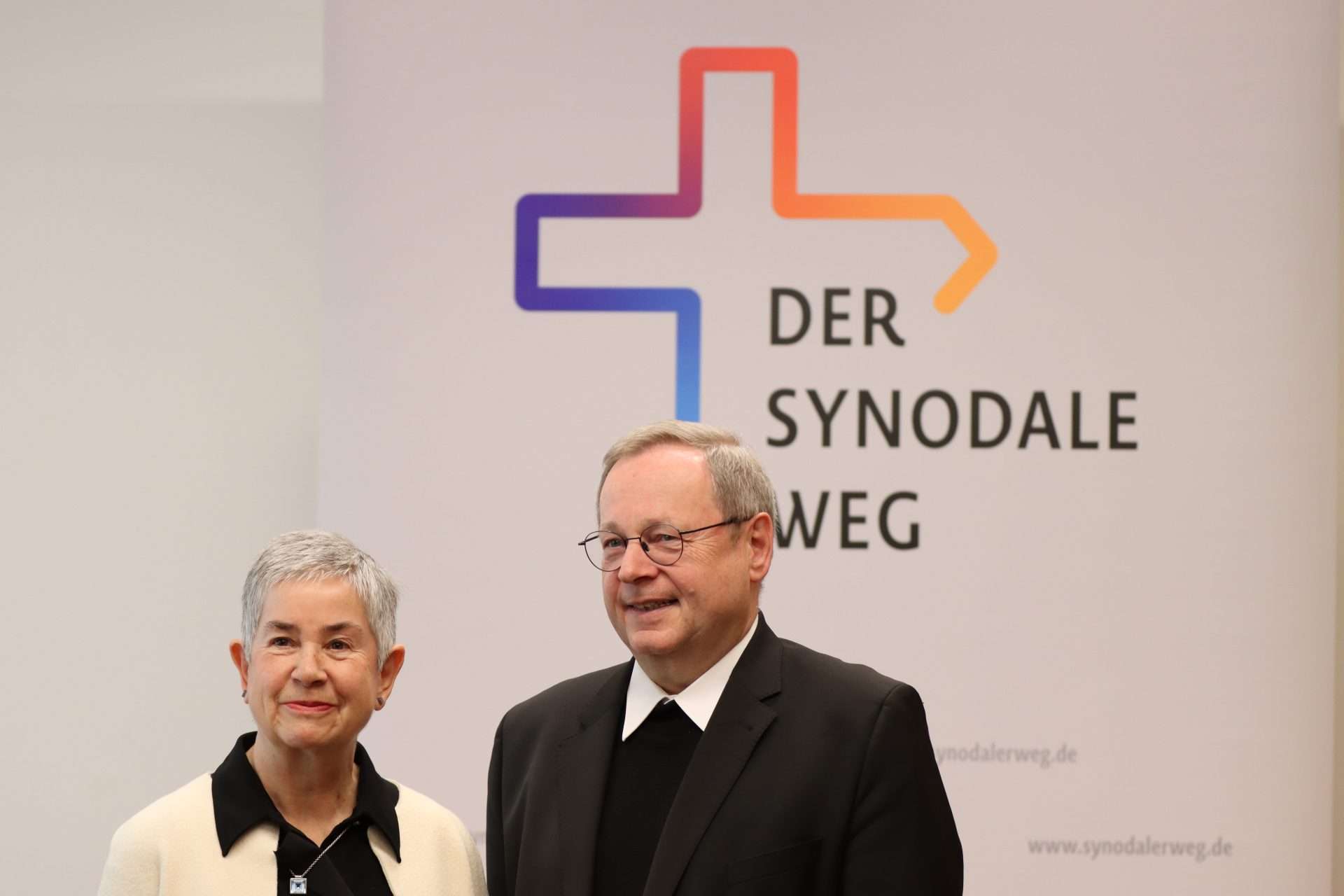
‘A hopeful church that no longer veils anything and renews itself can stand up more effectively for a world that has a future,’ said the final declaration of the Synodal Assembly.
The German Synodal Assembly met for the sixth and final time to review its work and to prepare for the Synodal Conference of bishops and lay representatives.
Meeting in Stuttgart on 29-30 January, the assembly review the process and the results of the Synodal Way, a reform initiative instigated by the German bishops in response to the abuse scandal before Pope Francis’ global synod.
The Synodal Assembly, comprising bishops, priests, religious, theologians and representatives of Catholic organisations, met five times between 2020 and 2023, preparing and discussing reports on subjects such as the abuse of power, celibacy, the role of women in the Church and sexual abuse. It also made proposals to increase lay participation in the election of bishops and for lay people preaching at Mass.
Reviews from participating bishops and lay representatives were mixed, but overall there was the declared intention to continue reforms, to address abuse and credibly to convey Christian values.
Bishop Georg Bätzing of Limburg, who last month announced he would not seek re-election as president of the German bishops’ conference, said: “Synodality is the hallmark of the Church’s future – worldwide and in Germany.”
He continued: “I am happy and grateful that the two synodal processes – the Roman way and our way – are now working well together. There is no longer any opposition: the Church is a community, and synodality is the future of the Church’s community. We must be measured by this standard.”
The Synodal Path was based on a “basic attitude of hope”, the assembly said in its final declaration: “A hopeful church that no longer veils anything and renews itself can stand up more effectively for a world that has a future.”
It said it was necessary to “disclose hurtful actions, structures that promote abuse and one’s own guilt. The learning process was carried by a lot of commitment.”
The assembly’s joint presidents Bishop Bätzing and Irme Stetter-Karp, president of the Central Committee of Lay Catholics, said they were proud of what had been achieved, although there had been tensions, crises and misunderstandings on the way. The Archbishop of Cologne Cardinal Rainer Maria Woelki did not attend last week’s meeting because he felt “the Synodal Way is over” after its five originally scheduled meetings.
“We have proven that despite all the uncertainties, there is a ‘we’ that carries us forward,” Stetter-Karp said.
However, she was among the delegates who expressed frustration that the Rome has yet to issue a conclusive decision about Synodal Conference. Vatican officials have voiced concerns are about the status and the authority of the conference, in which bishops and lay people jointly make decisions on a national level, potentially restricting the sovereignty of diocesan bishops.
The Synodal Conference is intended to be an instrument of participation, transparency and accountability, its supporters insisted.
Bätzing said that the conference could not start its work without approval from Rome but was optimistic that this will arrive in due course.
Stetter-Karp was also confident that the German Synodal Way “is on Pope Leo’s radar” despite his apparent hesitancy about its plans. Asked about the Synodal Conference during his flight to Beirut in November, Pope Leo said: “We will see.”


No comments:
Post a Comment