
Church must ‘defend democracy against authoritarianism’, says Loyola Institute professor
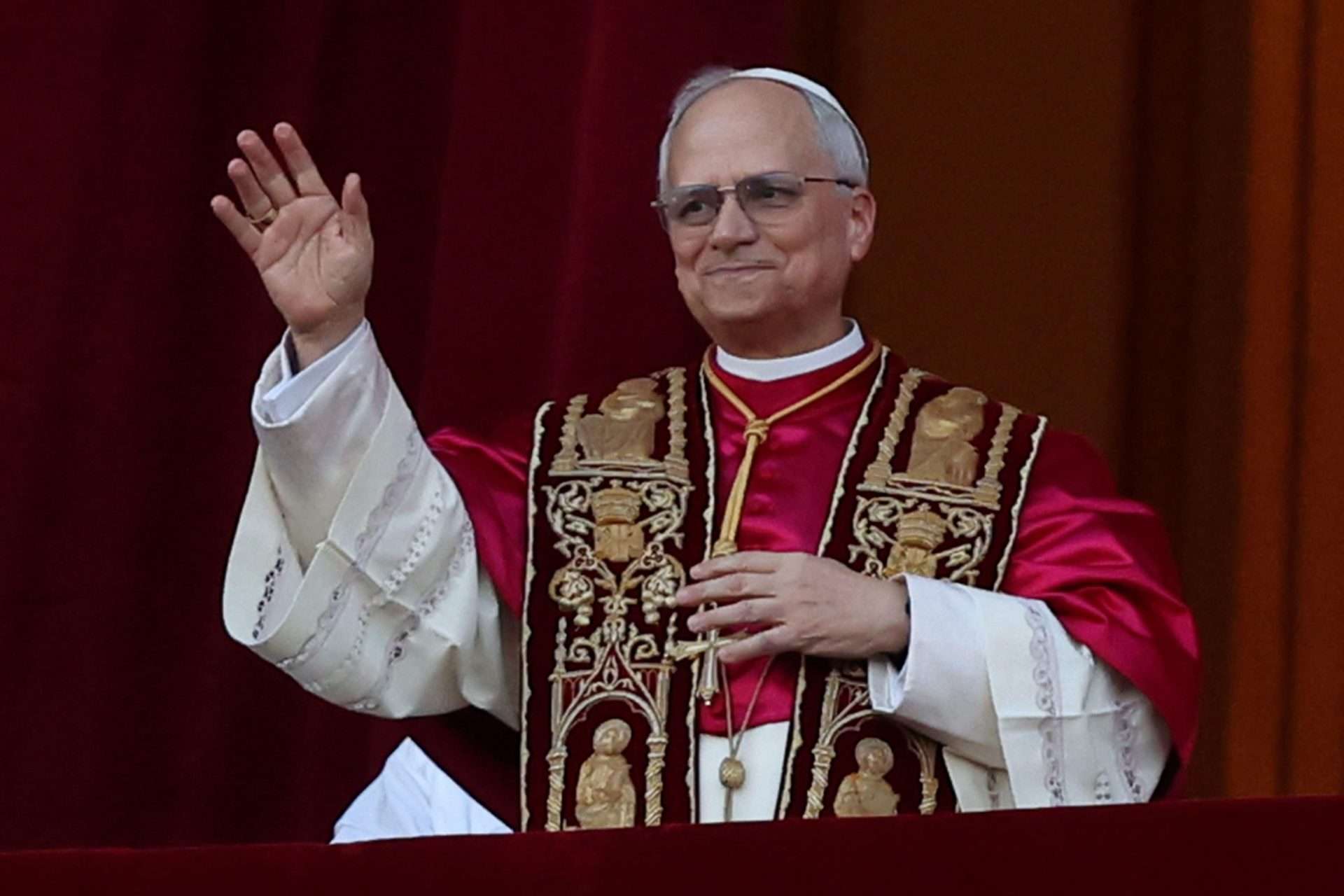
Pope Leo has an opportunity to rearticulate the Church’s “positive teaching on democracy”.
As the Church grows more global and the world grows less democratic, the Church should count itself among the ‘vocal defenders’ of democracy, church commentator Massimo Faggioli has said.
In his talk, “Catholicism and Global Politics Today: The Challenge of Integralism and Political Messianism”, Massimo Faggioli, professor in ecclesiology at the Loyola Institute, Dublin, said Pope Leo has an opportunity to rearticulate the Church’s “positive teaching on democracy”.
Prof Faggioli said that “democracy is again in crisis on a global scale” and that there had been increasing pressure on many institutions over the past decade on both sides of the Atlantic.
Growing economic insecurity, surging migration, and political polarisation had favoured the rise of nationalist populists with an authoritarian streak, including US president Donald Trump and Vice President JD Vance, a practising Catholic.
This nationalist populism had a strong emotional appeal for many and political messianism was coming particularly strongly from America, “at the time of the first pope from the USA”.
Prof Faggioli warned of the “hard right underbelly” within MAGA, including “open fascists like ‘Bronze Age Pervert’ (whose real name is Costin Alamariu), white supremacists like Darren Beattie, and monarchists like Curtis Yarvin”.
Trump and Vance’s “autocratic style” had parallels, he highlighted, among populist, far-right leaders in Europe, including Victor Orbán in Hungary, the AfD in Germany, the National Front in France, Reform UK, and in a more nuanced way Giorgia Meloni in Italy.
The theologian highlighted to Trinity College’s Theological Society that efforts to square strident nationalism with Catholic teaching “are unpersuasive” and criticised JD Vance’s “contorted argument about Augustine’s order of love as license to ignore the plight of immigrants”.
As the spiritual leader of more than a billion Catholics around the world, Pope Leo had criticised anti-immigrant rhetoric and policies in Europe and the US.
In an address to diplomats in January, Leo referenced St Augustine’s warning against “excessive nationalism and the distortion of the ideal of the political leader” and insisted on protections for free speech.
To speak out more forcefully in defence of democracy, without calling anyone out by name, might maintain Church unity while encouraging opponents of authoritarianism, Prof Faggioli suggested.


No comments:
Post a Comment